
The Vital Role of Aviation Parts Brokers


In the aviation world, every part counts. Whether it’s a tiny bolt or a complex engine component, the right part at the right time can make all the difference. That’s where aviation parts brokers come in. They act as the crucial link between aircraft operators, maintenance teams, and suppliers. Without them, sourcing reliable parts would be a slow, costly, and uncertain process.
I want to share why aviation parts brokers are so important, how they work, and what makes their role essential for keeping aircraft safe and flying. Along the way, I’ll highlight some examples of products and services that show how brokers help streamline the parts supply chain.
Why Aviation Parts Brokers Matter
Aircraft maintenance depends on having the right parts available quickly. Delays can ground planes, disrupt schedules, and increase costs. But the aviation parts market is complex. Parts come from many manufacturers, suppliers, and locations worldwide. Some parts are new, others are used or refurbished. Finding the right part that meets quality and certification standards is not easy.
Aviation parts brokers specialize in navigating this complexity. They have deep knowledge of the market and strong relationships with suppliers. This lets them locate hard-to-find parts and verify their authenticity and condition. They also handle the paperwork and logistics, saving operators time and hassle.
For example, when an operator needs a specific engine component, a broker can quickly source it from trusted suppliers. This reduces downtime and keeps the aircraft flying safely.
How Aviation Parts Brokers Work
Brokers act as intermediaries. They don’t usually hold large inventories themselves but connect buyers with sellers. Here’s how the process typically works:
Request: The operator or maintenance team sends a parts request to the broker.
Search: The broker taps into their network to find available parts that match the specifications.
Verification: They check the parts’ condition, certification, and compliance with aviation standards.
Quotation: The broker provides pricing and delivery options.
Purchase and Delivery: Once approved, the broker arranges payment and shipping.
This process ensures that parts are genuine, meet safety requirements, and arrive on time. It also helps operators avoid counterfeit or substandard parts, which can be dangerous.
Examples of Aviation Parts and Services
To understand the broker’s role better, let’s look at some specific products and services they might handle.
One example is the Aircraft Engine Overhaul Service. This service involves inspecting, repairing, and replacing engine parts to extend the engine’s life. A broker can source the necessary components and coordinate with certified overhaul facilities to ensure quality work. This service is critical for maintaining engine performance and safety.
Another example is the Avionics Replacement Parts. Avionics systems control navigation, communication, and flight instruments. Brokers help find replacement parts for these systems, which can be highly specialized and sometimes obsolete. Their expertise ensures that operators get compatible parts that meet regulatory standards.
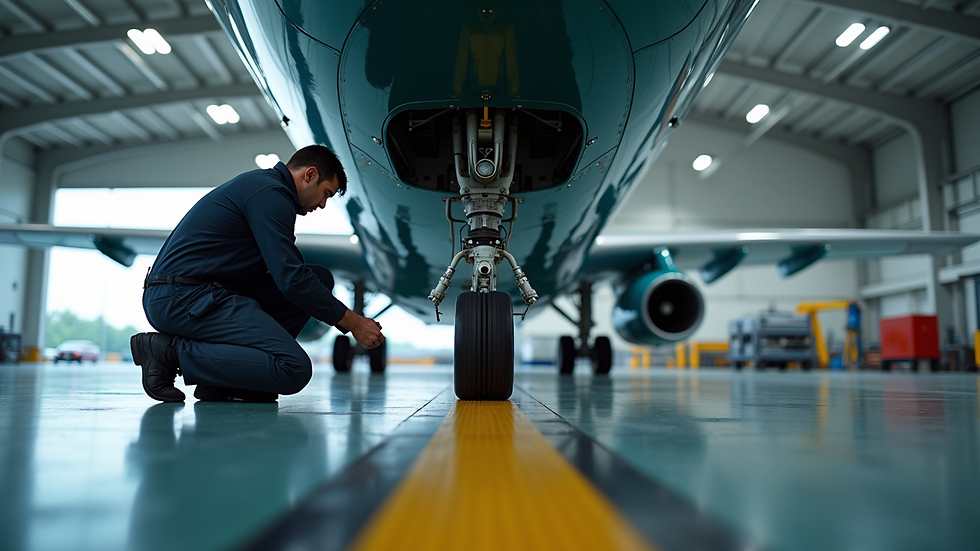
A third example is the Landing Gear Components Supply. Landing gear parts must withstand heavy loads and harsh conditions. Brokers source these parts from trusted manufacturers and suppliers, ensuring durability and compliance with safety regulations.
These examples show how brokers support different areas of aircraft maintenance by providing access to essential parts and services.
Benefits of Using Aviation Parts Brokers
Working with a broker offers several advantages:
Speed: Brokers can find parts faster than operators searching alone.
Quality Assurance: Brokers verify parts to meet aviation standards.
Cost Savings: Brokers negotiate better prices and reduce the risk of buying faulty parts.
Access to Hard-to-Find Parts: Brokers have extensive networks to locate rare or obsolete components.
Simplified Process: Brokers handle paperwork, certification, and shipping logistics.
For instance, when sourcing a critical engine part, a broker’s ability to quickly find a certified component can prevent costly delays and keep the aircraft operational.
How to Choose the Right Aviation Parts Broker
Not all brokers are the same. Choosing the right one is key to a smooth parts sourcing experience. Here are some factors to consider:
Reputation: Look for brokers with a strong track record and positive customer feedback.
Network: A broad supplier network means better chances of finding the needed parts.
Certification and Compliance: Brokers should follow industry standards and regulations.
Transparency: Clear communication about pricing, sourcing, and delivery is essential.
Customer Service: Responsive support helps resolve issues quickly.
Local Aviation LLC, for example, aims to become the go-to expert for aircraft parts sourcing by focusing on reliability and excellent service. Their approach shows how brokers can build trust and improve the customer experience.
The Future of Aviation Parts Brokering
The aviation industry is evolving, and so is parts brokering. Digital platforms and databases are making it easier to track parts availability and certification. Brokers are adopting technology to speed up searches and improve transparency.
Sustainability is also becoming important. Brokers help source refurbished or remanufactured parts, reducing waste and costs. This supports greener aviation practices without compromising safety.
In the future, brokers will continue to play a vital role by combining industry knowledge with technology to meet the growing demands of aircraft operators.
Final Thoughts
Aviation parts brokers are the unsung heroes behind every safe flight. They connect operators with the parts and services needed to keep aircraft in top shape. Their expertise, networks, and dedication save time, reduce costs, and ensure safety.
If you’re involved in aircraft maintenance or operations, working with a trusted broker can transform how you source parts. It’s about more than just buying components — it’s about building a reliable partnership that supports your mission to keep planes flying.
For example, services like the Aircraft Engine Overhaul Service or sourcing Avionics Replacement Parts through a broker can make maintenance smoother and more efficient. Choosing the right broker means you get the right parts, at the right time, with confidence.
The aviation industry depends on precision and reliability. Aviation parts brokers deliver both, making them essential players in the sky’s safety and success.

This article is for informational purposes only and does not replace professional advice or consultation.

Comments